
Ceylon Tea
History
Sri Lanka, formerly known as Ceylon, is world-famous for producing one of the finest teas known as Ceylon Tea. The history of Ceylon Tea dates back to the 19th century when British planter James Taylor introduced commercial tea cultivation in 1867 after a devastating coffee plantation disease destroyed the island’s coffee industry. Since then, tea became one of the country’s most important agricultural and export industries, earning global recognition for its quality and flavor.
Geographical Situation
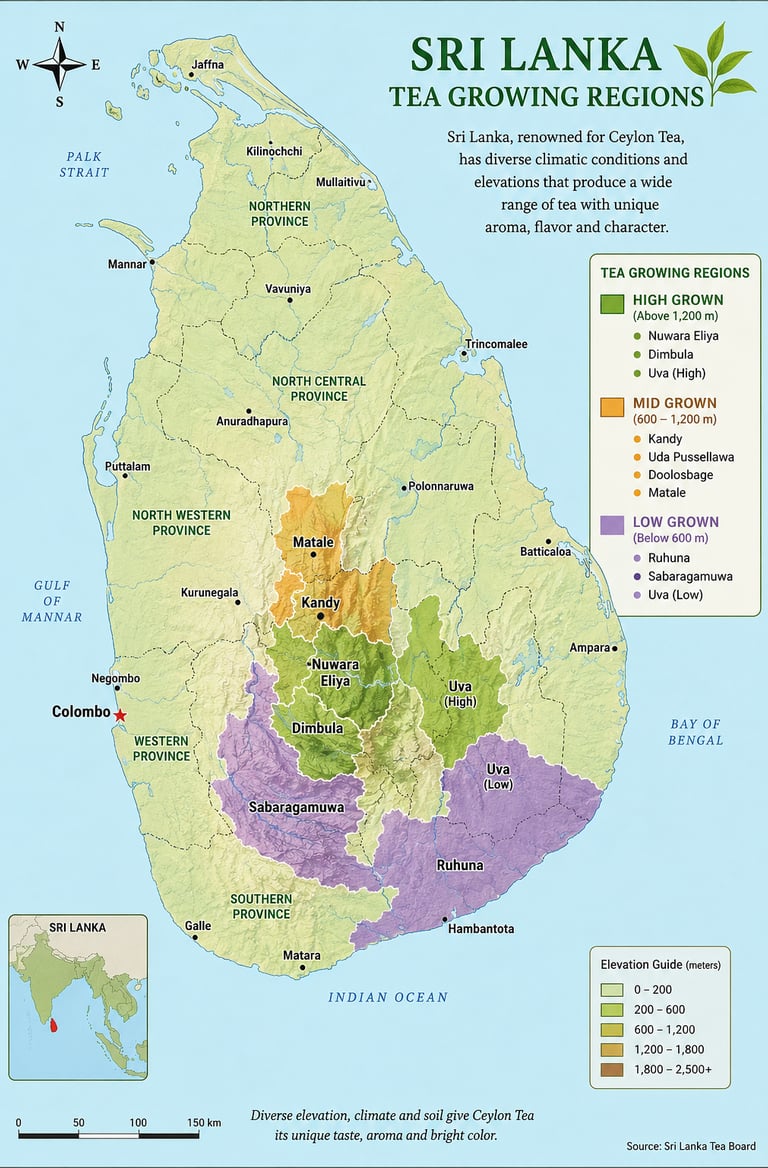
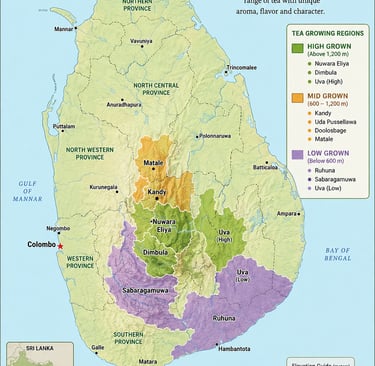
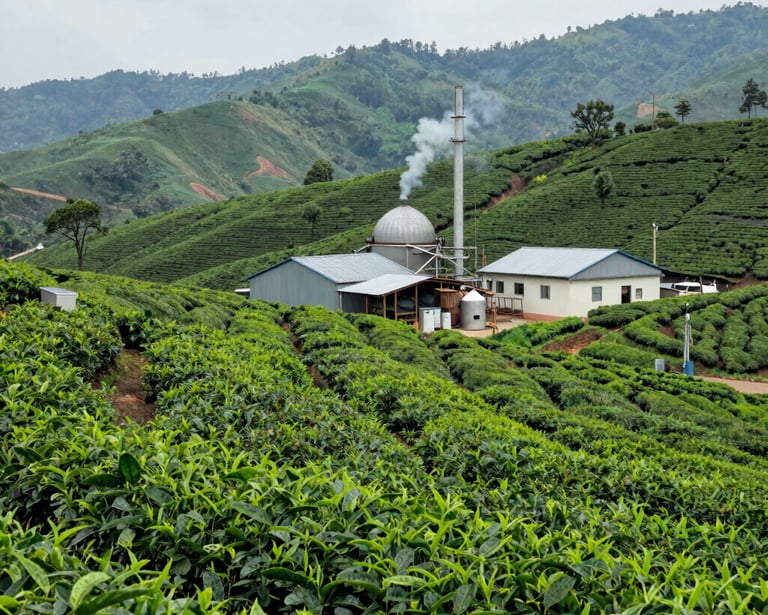
Sri Lanka’s unique geographical landscape plays a major role in the exceptional quality of Ceylon Tea. The island is located in the Indian Ocean near the equator and has diverse climatic conditions, fertile soil, abundant rainfall, and varying elevations. Tea is cultivated mainly in the central highlands and southern regions at elevations ranging from sea level to over 2,000 meters.
The tea-growing regions are generally categorized into:
High-grown tea – produced in cooler mountainous areas such as Nuwara Eliya and Dimbula
Mid-grown tea – cultivated in moderate elevations like Kandy
Low-grown tea – grown in warmer southern regions such as Ruhuna
Each region produces tea with distinct aroma, flavor, and character influenced by altitude, temperature, humidity, and soil composition.
Uniqueness and Global Reputation
Ceylon Tea is internationally respected for its bright color, rich aroma, refreshing taste, and consistent quality. Unlike many other teas, Ceylon Tea offers a wide variety of flavor profiles depending on the region where it is grown. High-grown teas are light, delicate, and fragrant, while low-grown teas are darker, stronger, and fuller-bodied.
The uniqueness of Ceylon Tea comes from:
Pure orthodox tea manufacturing methods
Hand-plucking of tender tea leaves
Strict quality control standards
Diverse climatic and geographical conditions
Freshness and natural flavor without artificial enhancement
Today, Ceylon Tea is exported to more than 140 countries and is recognized globally by the famous Lion Logo, a symbol of authenticity and premium Sri Lankan tea quality. It remains one of the world’s most admired teas and an important part of Sri Lanka’s cultural and economic heritage.
Vietnam Coffee
History
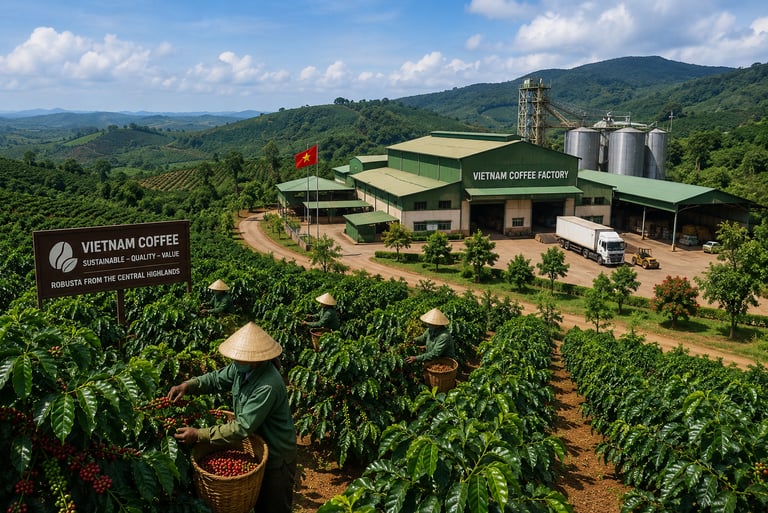
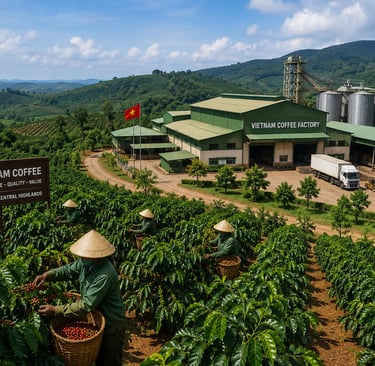
Vietnam is one of the world’s leading coffee-producing countries and is especially famous for its strong, flavorful, and distinctive coffee culture. Coffee plays an important role in the country’s economy, agriculture, and daily lifestyle. Today, Vietnam is the second-largest coffee exporter in the world, after Brazil, and the largest producer of Robusta coffee beans globally.
Coffee was first introduced to Vietnam by French missionaries during the mid-19th century, around 1857, during the French colonial period. Initially, coffee was cultivated on a small scale in northern regions, but later expanded rapidly into the Central Highlands due to favorable environmental conditions.
After economic reforms known as “Đổi Mới” in the 1980s, Vietnam invested heavily in coffee production and exports. This transformed the country into a global coffee powerhouse within a few decades. Today, coffee farming supports millions of Vietnamese farmers and contributes significantly to national export earnings.
Geographical Situation
Vietnam’s geography and tropical climate provide excellent conditions for coffee cultivation. The country lies in Southeast Asia and experiences warm temperatures, seasonal rainfall, fertile volcanic soil, and varying elevations suitable for different coffee varieties.
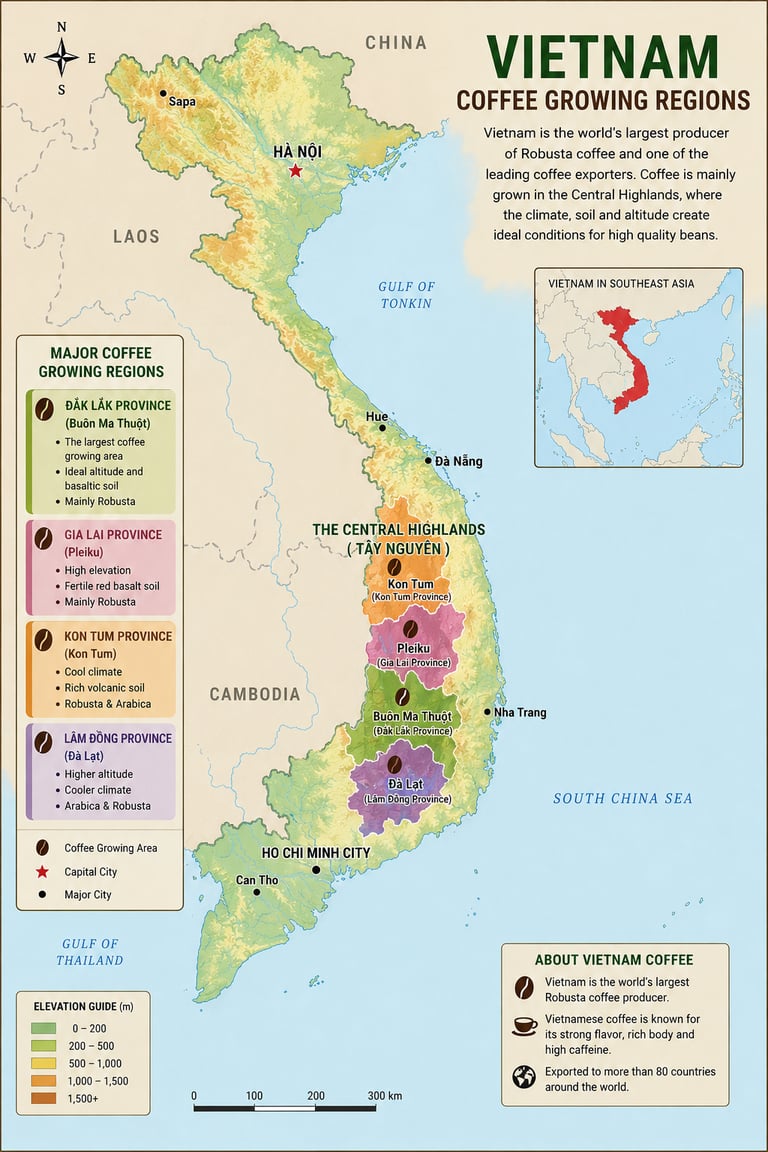
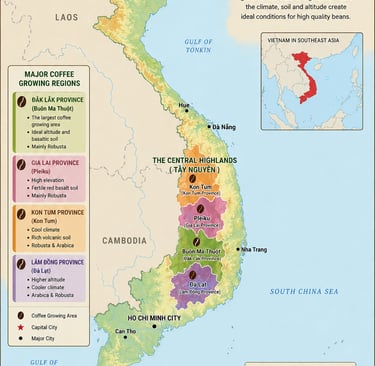
The major coffee-growing regions are located in the Central Highlands, including:
Da Lat
Buon Ma Thuot
Pleiku
Kon Tum
These highland regions have rich basaltic soil, moderate temperatures, and ideal rainfall patterns that enhance coffee bean development and flavor quality.
Uniqueness of Vietnam Coffee
Vietnamese coffee is internationally recognized for its bold taste, strong aroma, and unique brewing traditions. The country mainly produces Robusta coffee, which contains higher caffeine content and delivers a stronger, richer flavor compared to Arabica coffee.
Some unique characteristics of Vietnam coffee include:
Strong and full-bodied flavor
High caffeine concentration
Traditional slow-drip brewing using the Vietnamese “phin” filter
Popular use of sweetened condensed milk
Diverse specialty coffee styles such as egg coffee and coconut coffee
Famous Vietnamese coffee beverages include:
Cà Phê Sữa Đá (iced coffee with condensed milk)
Egg Coffee
Coconut Coffee
Global Reputation
Vietnam coffee has earned a strong reputation in the international market for its consistent supply, affordability, and distinctive taste profile. Vietnamese coffee beans are exported worldwide and are widely used in instant coffee production and espresso blends.
Cities such as Hanoi and Ho Chi Minh City are also famous for their vibrant café culture, attracting travelers and coffee enthusiasts from around the globe.
Today, Vietnam stands as a symbol of rapid agricultural development and coffee innovation, combining traditional brewing methods with modern global coffee trends.
Jamaica Blue Mountain Coffee
History
Jamaica Blue Mountain Coffee is one of the world's most prestigious and exclusive specialty coffees. Coffee was first introduced to Jamaica in 1728, when Governor Sir Nicholas Lawes received Arabica coffee plants from the French colony of Martinique. The plants flourished in the cool, mist-covered Blue Mountains of eastern Jamaica, where the unique environment proved ideal for producing exceptional coffee. By the late 18th and early 19th centuries, Jamaica had become one of the world's leading coffee producers. Today, the name "Jamaica Blue Mountain Coffee" is legally protected, and only coffee grown within the designated Blue Mountain region and certified by the Jamaica Agricultural Commodities Regulatory Authority (JACRA) can carry this prestigious label.
Geographical Situation
Jamaica Blue Mountain Coffee is cultivated exclusively in the Blue Mountains of eastern Jamaica, one of the highest mountain ranges in the Caribbean, reaching elevations of about 2,250–2,350 meters (7,400–7,700 feet). The certified coffee-growing area includes portions of the parishes of Portland, St. Andrew, St. Thomas, and St. Mary, generally between 900 and 1,800 meters (3,000–5,900 feet) above sea level.
The region offers ideal conditions for coffee production:
Cool temperatures (15–24°C / 59–75°F)
Frequent mountain mist and cloud cover
High annual rainfall
Rich, well-drained volcanic soils
Slow bean maturation, allowing complex flavors to develop
These natural conditions contribute significantly to the coffee's distinctive quality.
Uniqueness of Jamaica Blue Mountain Coffee
Jamaica Blue Mountain Coffee is celebrated for its exceptionally smooth, balanced, and refined flavor profile. Its most distinctive characteristics include:
Mild flavor with almost no bitterness
Bright yet gentle acidity
Medium body with a silky, clean mouthfeel
Sweet aroma with floral and nutty notes
Delicate chocolate and caramel undertones
Long, pleasant finish
The coffee is primarily produced from the Arabica Typica variety and is hand-picked at peak ripeness. Every batch undergoes rigorous grading and quality inspection before export. Because the certified growing region is relatively small and annual production is limited, Jamaica Blue Mountain Coffee remains one of the rarest premium coffees in the world.
Global Reputation
Jamaica Blue Mountain Coffee has earned an international reputation as one of the finest luxury coffees available. It is often referred to as the "Champagne of Coffees" because of its exceptional quality, strict origin controls, and limited production.
Its global reputation is built on:
Consistently outstanding cup quality
Strict certification and quality-control standards
Protected geographical indication
Limited annual production
Strong demand in international specialty coffee markets
Japan has traditionally been the largest importer, purchasing the majority of Jamaica Blue Mountain Coffee exports, while demand continues to grow among specialty coffee enthusiasts in North America, Europe, and other premium markets. Its rarity, authenticity, and superior flavor make it one of the most expensive and highly sought-after coffees worldwide.


